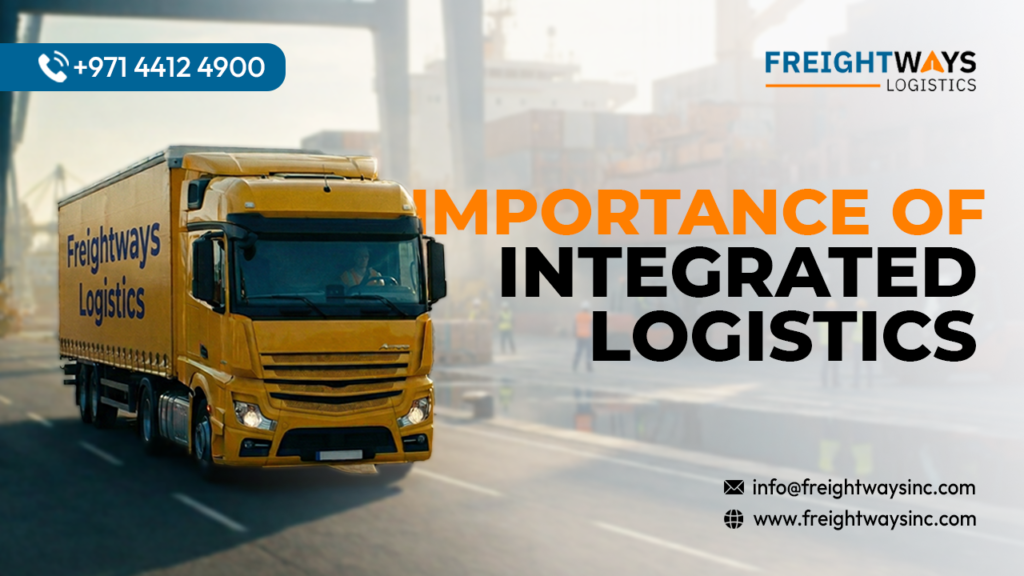
The Importance of Integrated Logistics and Freight Services for Modern Businesses
Businesses can’t afford broken supply chains in today’s fast-paced global economy. This is where logistics and freight services can make a big difference. Companies that work with vendors who aren’t connected often have to deal with delays, higher costs, and less efficient operations.
Integrated logistics and freight services cover everything, from getting things to their final destination to customs clearance and storage. This unified approach makes things easier to run, makes things easier to see, and makes sure that goods move smoothly across borders.
If your business depends on timely deliveries and efficient supply chains, understanding the importance of integration is essential.
What Are Integrated Logistics and Freight Services?
Integrated logistics and freight services mean that all supply chain activities are handled by one provider or coordinated system.
Businesses benefit from a streamlined process that combines transportation, storage, and distribution.
Key components include:
- Freight forwarding and transportation
- Warehousing and inventory management
- Customs clearance and documentation
- Distribution and last-mile delivery
This method makes sure that different service providers work together better and that there are no gaps in communication between them.
The Shift Toward Integrated Supply Chain Management
Traditional logistics models often involve multiple vendors handling different aspects of the supply chain. While this approach worked in the past, it struggles to meet modern demands.
Integrated logistics and freight services solve these problems by giving you centralized control and making things run more smoothly.
Why businesses are shifting:
- Increasing complexity of global trade
- Need for real-time visibility
- Demand for faster delivery timelines
- Rising operational costs
Integration helps businesses stay competitive in a market that is always changing.
Key Benefits of Integrated Logistics and Freight Services
1. Improved Operational Efficiency
One of the biggest advantages of integrated logistics and freight services is enhanced efficiency.
There is less work duplication and fewer delays when all the steps are connected.
Some benefits are
- Faster processing times
- Reduced manual intervention
- Streamlined workflows
Efficiency has a direct effect on how much work gets done and how happy customers are.
2. Cost Optimization and Better Budget Control
When you have to deal with more than one vendor, it can be hard to find hidden costs and make things work better. Businesses can save money by using integrated logistics and freight services.
How integration reduces costs:
- Consolidated shipments
- Optimized transportation routes
- Reduced administrative overhead
This results in better financial planning and improved profit margins.
3. Enhanced Visibility and Real-Time Tracking
Modern supply chains require transparency. Integrated logistics and freight services give you full visibility from start to finish.
Key features:
- Real-time shipment tracking
- Centralized data systems
- Performance analytics
This allows businesses to monitor shipments, anticipate delays, and make informed decisions.
4. Better Risk Management and Compliance
There are strict rules and possible risks when shipping goods around the world. Integrated logistics and freight services make sure that everything meets international standards.
Advantages:
- Accurate documentation
- Reduced risk of penalties
- Improved cargo security
Having a single point of accountability minimizes errors and ensures smooth operations.
5. Seamless Communication and Coordination
Communication problems can cause problems in supply chains. Integrated logistics and freight services get rid of these problems by giving you a single way to talk to everyone.
This means:
- Faster response times
- Clear accountability
- Improved collaboration
This makes sure that everyone involved in the shipping process is on the same page.
Role of Technology in Integrated Logistics and Freight Services
Modern logistics and freight services depend on technology. Digital tools make it possible to automate tasks, keep track of things, and make decisions based on data.
Key technologies include:
- Transportation Management Systems (TMS)
- Warehouse Management Systems (WMS)
- Real-time tracking platforms
- Data analytics and reporting tools
These innovations make the supply chain more accurate, efficient, and overall better.
Industries That Benefit the Most
Integrated logistics and freight services are valuable across multiple industries.
Key sectors include:
- Retail and e-commerce
- Manufacturing and industrial operations
- Healthcare and pharmaceuticals
- Oil and gas
- Food and beverage
benefits from better efficiency, compliance, and dependability.
Common Challenges Without Integration
Companies that use broken systems often have a lot of problems.
These include:
- Delayed shipments
- Miscommunication between vendors
- Lack of visibility
- Higher operational costs
Integrated logistics and freight services solve these problems by offering a system that works well together.
How to Choose the Right Logistics Partner
Choosing the right provider is very important for a successful integration.
Key factors to consider:
- Experience in global logistics
- Comprehensive service offerings
- Advanced technology capabilities
- Strong industry reputation
- Transparent pricing
A reliable logistics company can help your business grow over time.
FAQs
What are logistics and freight services?
Logistics and freight services involve the planning, coordination, and transportation of goods, including warehousing, customs clearance, and delivery.
Why are integrated logistics important?
Integrated logistics improve efficiency, reduce costs, and provide better visibility across the supply chain.
How do logistics services reduce costs?
They optimize routes, consolidate shipments, and reduce administrative expenses.
What industries use logistics and freight services?
Industries such as retail, manufacturing, healthcare, and oil and gas rely heavily on logistics services.
What are the benefits of integrated logistics and freight services for businesses?
The benefits of integrated logistics and freight services include improved operational efficiency, cost savings, real-time visibility, better risk management, and seamless coordination across the supply chain. These advantages help businesses achieve reliable and scalable logistics operations.